Understanding Grief as a Natural Response to Loss
Yoga invites us to see grief and loss through a different lens. Rather than a problem to fix, grief is a natural response to losing someone or something we are attached to. To grieve is to have loved deeply.
This primal human experience arises from love, connection, and meaning. It appears when we lose a person, a relationship, a role, or even a version of ourselves. Grief often arrives in waves. Sometimes it comes unexpectedly. And rarely does it follow a predictable timeline.
Creating Space for Grief Through Yoga
Through yoga, we can explore grief as part of our lived experience. We create space to honor our emotions and reconnect with ourselves. Although grief may feel overwhelming at times, it can also deepen self-awareness and reveal the most meaningful aspects of life.
When Loss Becomes Real
No one can fully prepare for grief. I remember trying to prepare myself in the weeks before my mother’s death nearly three decades ago. I imagined the funeral. I tried to anticipate how it would feel. I even planned what might happen afterward.
However, no amount of anticipation can recreate the experience of loss itself. When it arrived, the grief was unlike anything I had ever known.
How Grief Affects the Whole Person
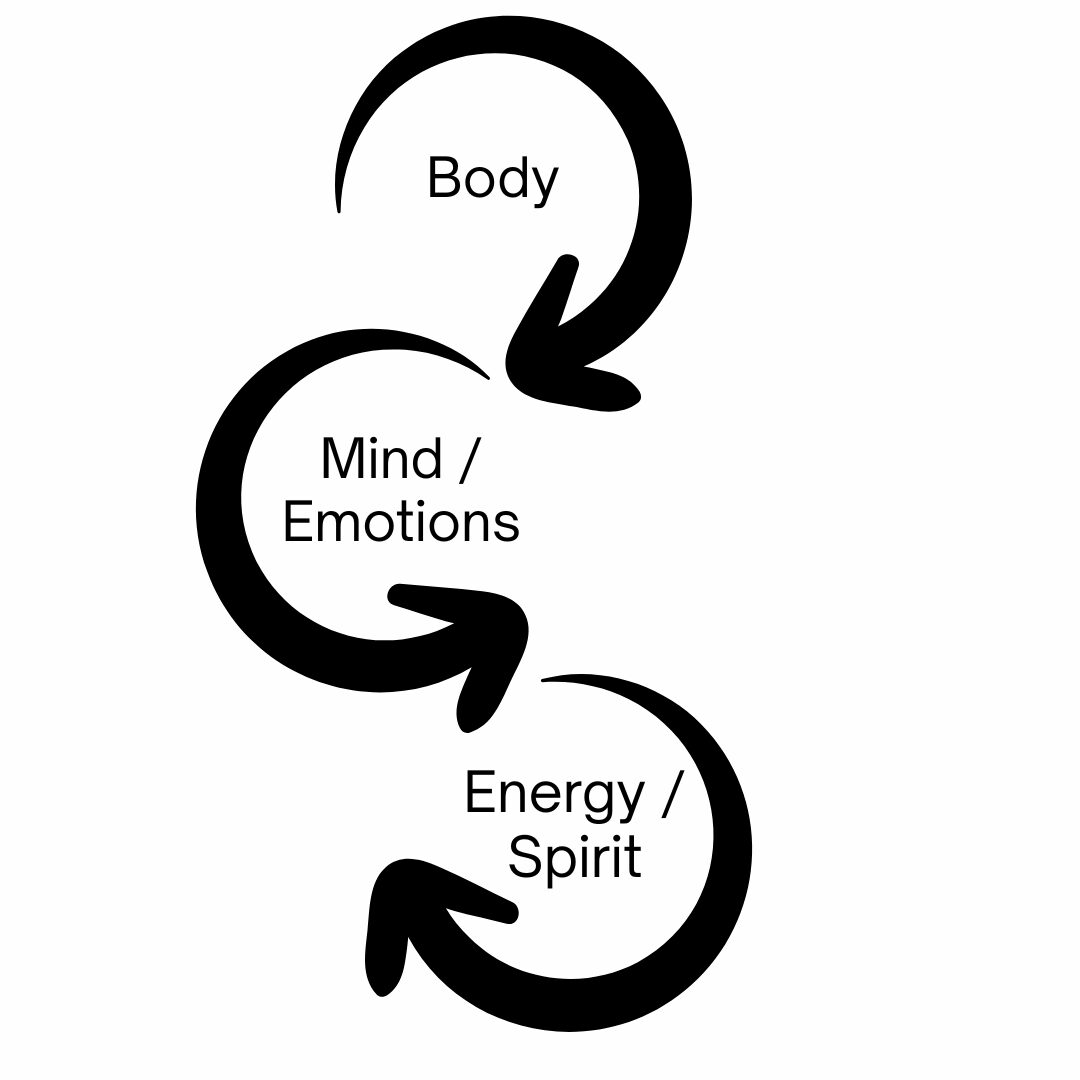
After a significant loss, we may experience many symptoms. These are not only emotional but also physical and mental. Grief affects the whole person—body, mind, emotions, energy, and even spirit.
While we cannot fully prepare for grief, understanding its effects can help normalize the experience. Awareness can also help us find steadiness during difficult moments.
Yoga as a Compassionate Path Through Grief
Yoga offers a gentle and compassionate path during times of loss. Through mindful movement, breath, and reflection, we can regulate the nervous system and calm the mind.
Importantly, yoga does not ask us to deny grief. Nor does it rush us toward healing. Instead, it invites patience, compassion, and self-study.
The Physical Experience of Grief
Grief lives in the body as much as in the mind. It may feel like heaviness in the chest or tightness in the throat. Some people experience fatigue, restlessness, or numbness. Grief can also disrupt sleep, appetite, and daily habits.
These reactions are not signs of weakness. Rather, they are signals from a nervous system responding to loss.
Fortunately, yoga offers practices that help restore balance. Breathwork, gentle movement, and meditation can quiet the mind and reduce stress. These practices also create a sense of safety when life feels uncertain.
Growing Around Grief
Over time, grief may change shape. Some people believe they must overcome it. Yet often we simply grow bigger around it.
As we grow, our hearts expand. We reconnect with the deeper truth of who we are.
There is something profoundly healing about rediscovering the beauty and light within. That light is always present, even in times of sorrow.
Honoring Love and Continuing Forward
Grief is not something we get over. Instead, it becomes something we learn to live with and integrate into our lives.
Through presence, compassion, and care, we honor what we loved and what we lost. At the same time, we continue to live and grow. Our lives keep unfolding, moment by moment.
In loving memory of my mother, Rochelle (Shelley) Alterman (1946–1996).