Pain Care Yoga: A New Paradigm for Chronic Pain Management is an emerging approach that blends modern pain science with mindful movement, breathwork, and nervous system regulation. For people living with chronic pain, this integrative practice offers a compassionate and effective pathway toward improved mobility, reduced tension, and a better quality of life.
Living with chronic pain can feel exhausting—physically, mentally, and emotionally. Whether it stems from an old injury, arthritis, illness, or ongoing stress, chronic pain often affects far more than just the physical body. It is truly a whole-person experience, influencing mood, energy levels, sleep, and daily activities.
Many healthcare professionals recommend movement as an important part of pain management. However, people experiencing pain often become fearful of movement, especially if past activity has triggered discomfort or flare-ups.
This is where Pain Care Yoga offers a new and supportive perspective.
Understanding the Science Behind Chronic Pain
Over the past few decades, research in the field of Pain Science has transformed our understanding of pain.
Traditionally, pain was believed to be a direct signal that something in the body was damaged. Many people with chronic pain still believe relief can only come from fixing tissues or relying on medication.
Modern research shows something more complex.
Pain is not always a reliable indicator of tissue damage. Instead, it functions as an alarm system designed to protect the body from perceived threats.
Your brain continuously evaluates signals from the body and environment. When it senses something potentially harmful, it activates the pain response to encourage protective behaviors such as rest or avoidance.
This system works well during acute injuries. For example, when you sprain your ankle, pain prevents excessive movement while tissues heal.
However, when pain persists for months or years, the alarm system can become overly sensitive.
When Pain Becomes Chronic
Chronic pain is typically defined as pain that lasts three months or longer.
During this time, the nervous system may become hyper-vigilant. The body begins reacting strongly to even minor stimuli, which can make pain feel unpredictable and persistent.
This heightened pain response can create a difficult cycle:
- Pain leads to reduced movement
- Reduced movement causes stiffness and weakness
- Stiffness and weakness increase pain
Over time, chronic pain may also contribute to:
- Muscle tension
- Poor sleep
- Anxiety and stress
- Depression
- Reduced quality of life
The good news is that the nervous system is adaptable and changeable. This concept, known as Neuroplasticity, means that the body can learn new patterns—and yoga can help guide that process.
Why Yoga Is Becoming a Powerful Tool for Pain Management
In the midst of the ongoing Opioid Epidemic in the United States, many people are seeking non-pharmacological solutions for managing chronic pain.
Yoga has become one of the most widely recommended complementary approaches.
While yoga is not a cure for chronic pain, research and clinical experience show that gentle, mindful yoga practices can significantly improve quality of life for people living with persistent pain conditions.
Pain Care Yoga focuses on safety, awareness, and nervous system regulation rather than pushing the body into difficult postures.
How Yoga Helps Support Chronic Pain Management
Pain Care Yoga works through several interconnected mechanisms that support both physical and emotional well-being.
1. Increasing Body Awareness
People living with chronic pain often feel disconnected from their bodies.
Yoga helps rebuild this relationship by improving:
- Proprioception – awareness of how the body moves in space
- Interoception – awareness of internal body sensations
Developing these skills allows individuals to recognize safe movement thresholds and build a greater sense of trust and safety in their bodies.
2. Promoting Gentle Movement and Mobility
Slow, mindful movement allows people to safely explore their range of motion without overwhelming the body.
Regular movement can help:
- Improve circulation
- Reduce joint and muscle stiffness
- Restore mobility
- Increase functional strength
Many yoga poses also activate small stabilizing muscles around the spine and joints, helping reduce strain and prevent future flare-ups.
3. Building Breath Awareness
Yoga includes powerful breathing techniques known as Pranayama.
These practices encourage:
- Slower breathing patterns
- Deeper diaphragmatic breaths
- Relaxation of the nervous system
Calmer breathing helps reduce physical tension and supports emotional steadiness.
4. Regulating the Nervous System
Chronic pain is closely connected to how the nervous system responds to stress.
Yoga practices activate the parasympathetic nervous system, the branch responsible for rest, recovery, and relaxation.
This shift can:
- Reduce stress hormones
- Decrease muscle tension
- Calm pain sensitivity
- Improve overall resilience
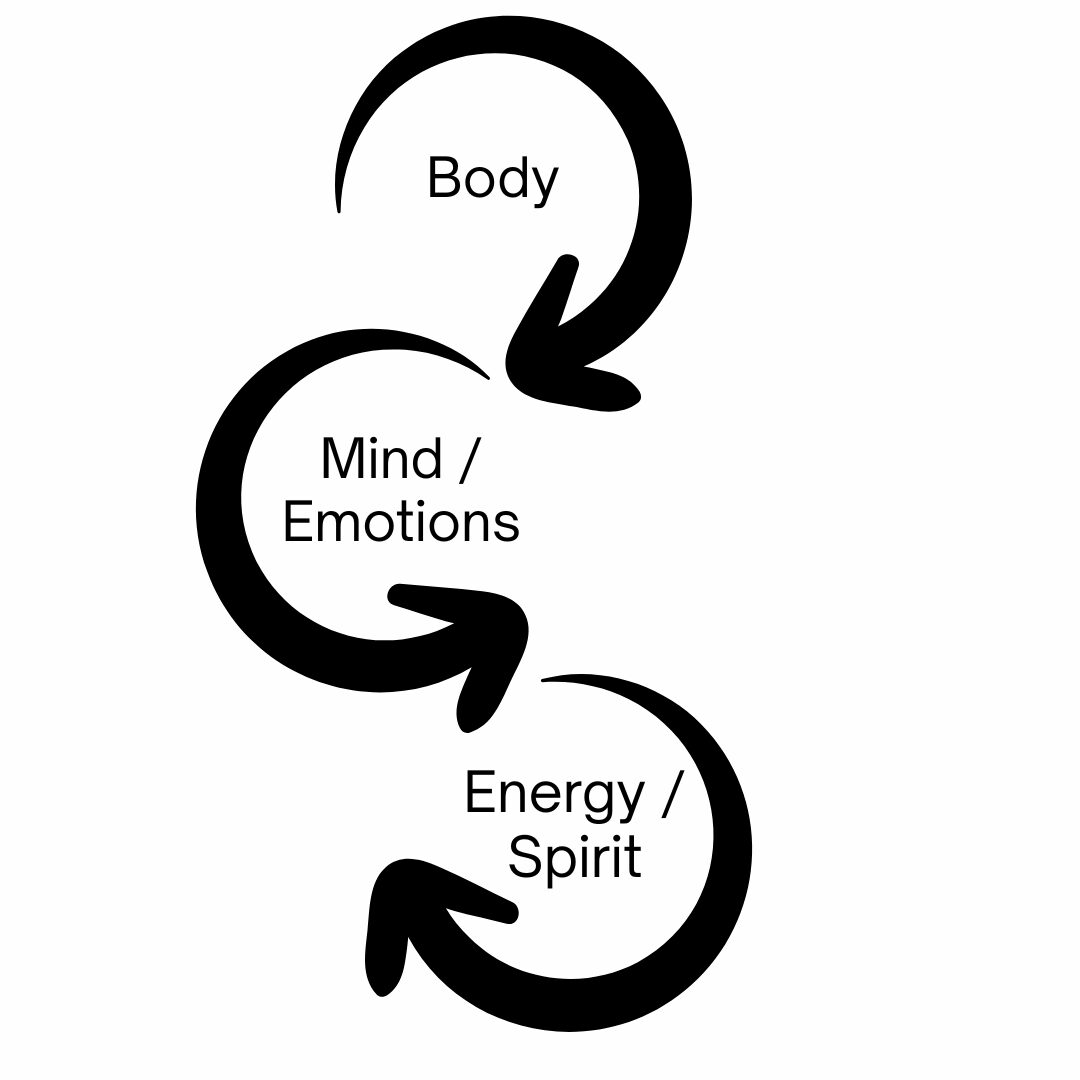
5. Supporting Mental and Emotional Well-Being
Pain is not purely physical.
Living with chronic pain can bring fear, frustration, and anxiety about movement and daily activities.
Yoga practices such as meditation and mindful breathing can help:
- Reduce anxiety and fear around pain
- Improve mood
- Create a sense of empowerment and control
Over time, this emotional support can become just as important as the physical benefits.
A Gentle Path Toward Living Well With Pain
Chronic pain can make life feel smaller and more limited.
Yoga offers a different path—one that encourages gentle expansion of movement, breath, and awareness.
When practiced with respect for the body’s limits, yoga becomes a supportive companion for navigating life with pain.
Rather than forcing the body, Pain Care Yoga invites curiosity, patience, and compassion.
Practice Pain Care Yoga With Me
Pain Care Yoga was developed by Neil Pearson, a physiotherapist, yoga therapist, and Clinical Assistant Professor at the University of British Columbia.
His work integrates modern pain science with therapeutic yoga practices designed specifically for people living with persistent pain conditions.
Neil provides specialized training programs for yoga teachers and therapists that combine pain science education with experiential yoga practices proven beneficial in clinical settings.
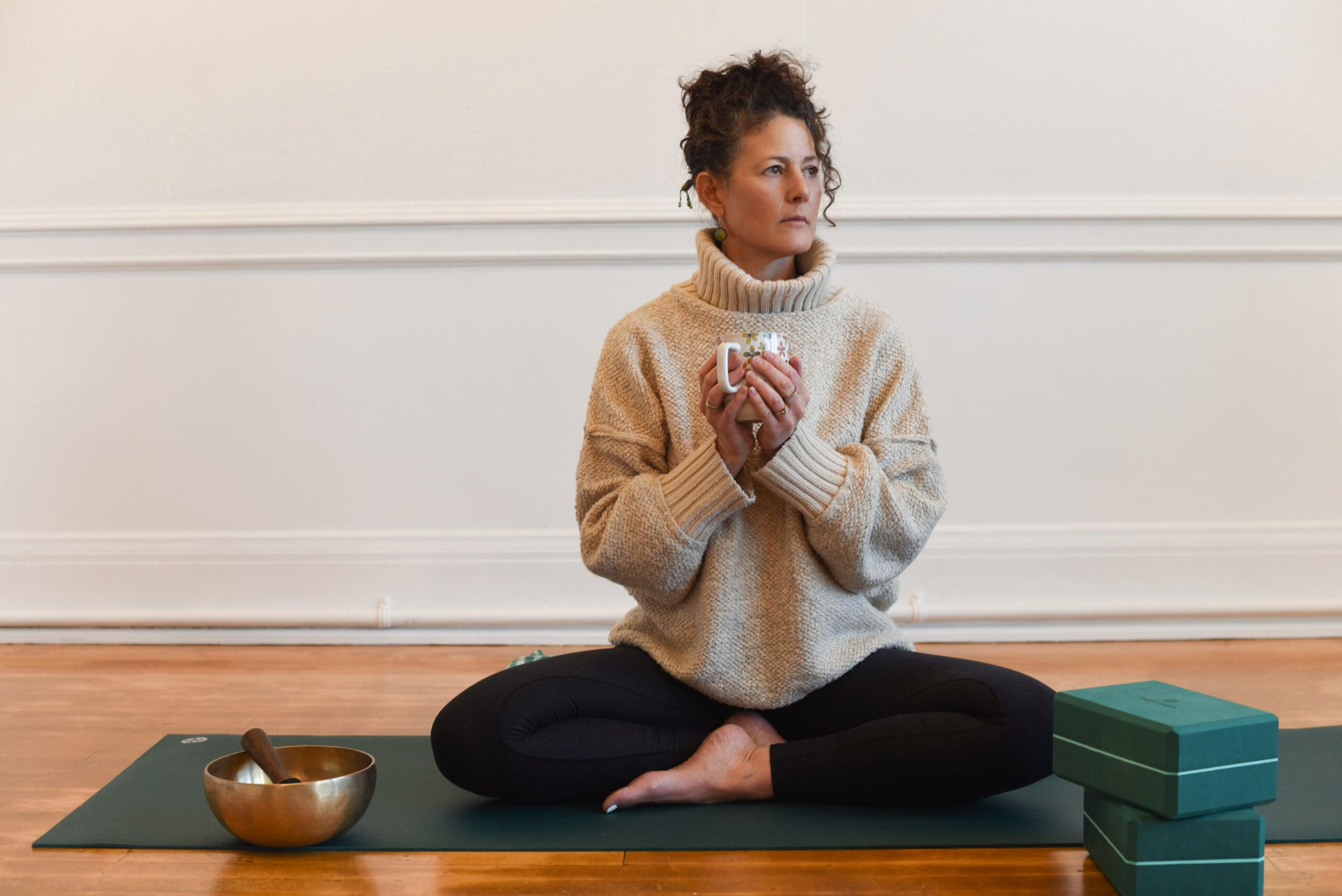
During my Yoga Therapy Certification Program, I had the opportunity to train with Neil and become a certified Pain Care Yoga facilitator.
Today, I offer:
- Small group Pain Care Yoga classes in Durango, Colorado
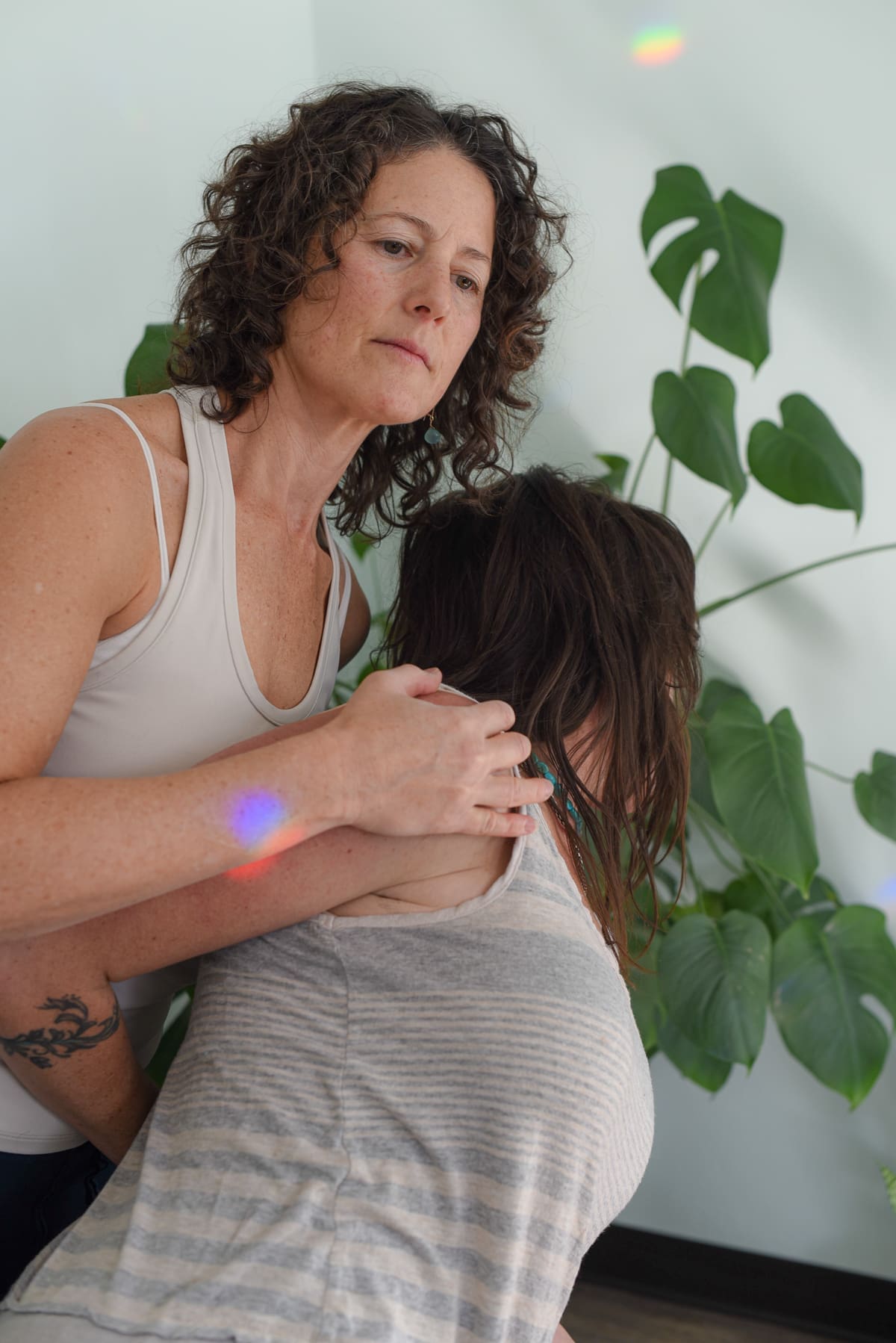
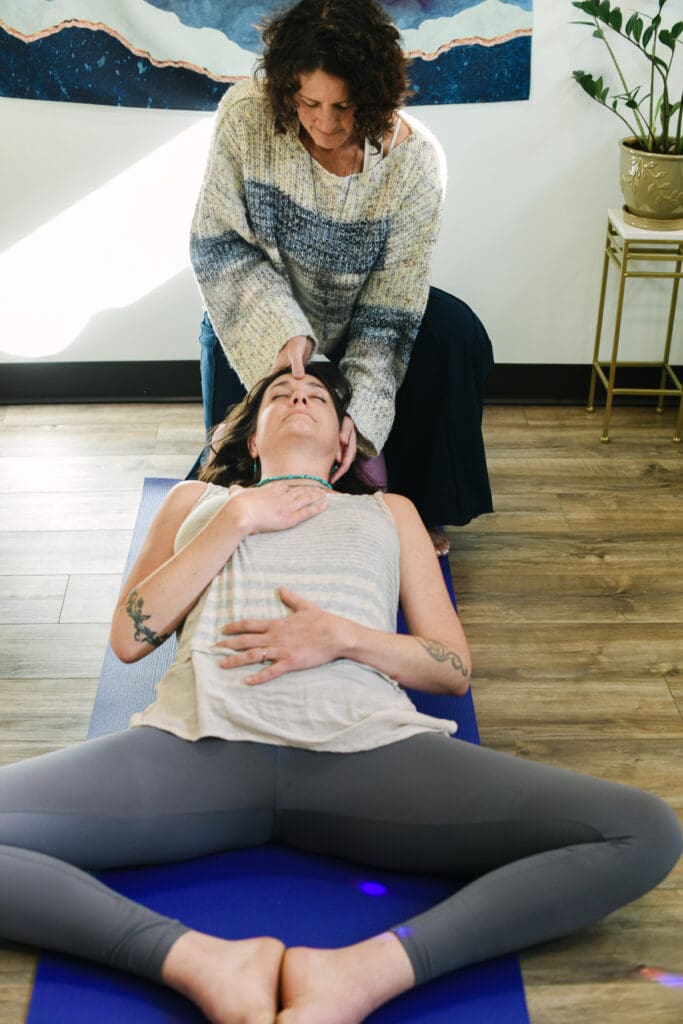
- Private yoga therapy sessions for individuals living with chronic pain
These sessions integrate the principles developed by Neil and his partner Lisa Pearson to help participants reconnect with their bodies and build sustainable pain management strategies.
You can visit my Events Page to learn about upcoming classes, workshops, and opportunities to practice Pain Care Yoga.
A Note on Safety
Always consult a qualified healthcare professional before beginning any new movement or exercise program, especially if you have a medical condition or ongoing pain.
Yoga should be practiced gently and mindfully, honoring your body’s unique needs and limitations.